-
10 key factors to evaluate punch press manufacturers
Oct. 06, 2026
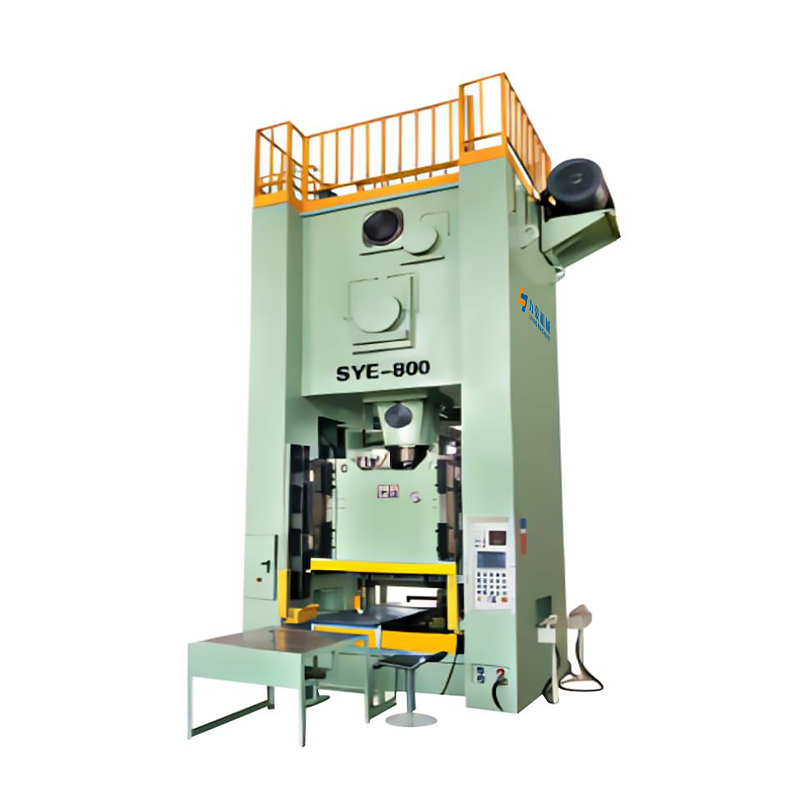
Choosing a punch press manufacturer requires more than comparing machine prices. I evaluate the application, material thickness, required tonnage, production volume, tooling, automation, safety controls, total ownership cost, quality systems, and after-sales support before recommending a supplier. These factors determine whether the equipment meets production targets and remains serviceable over
-
Material Waste Reduction in Steel Slitting Operations
Oct. 05, 2026
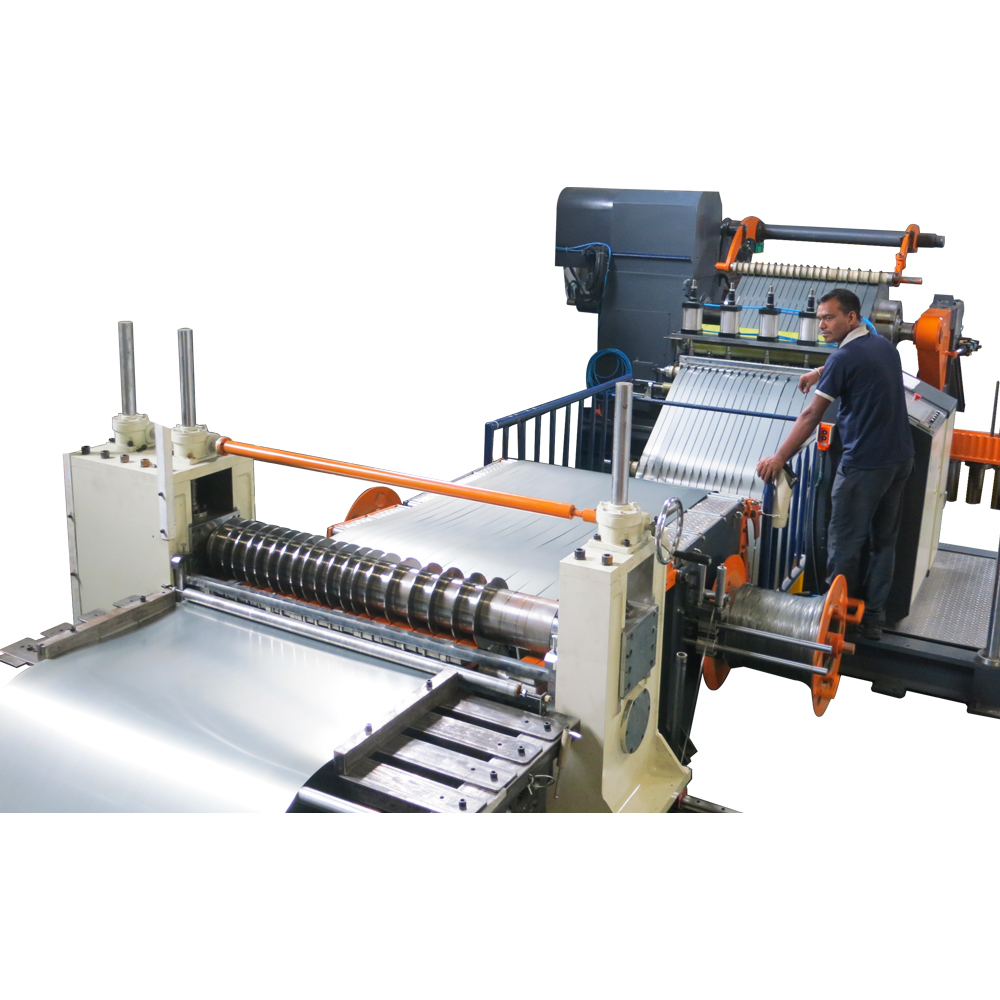
Material Waste Reduction in Steel Slitting Operations depends on controlling coil yield, trim loss, setup scrap, splice waste, defects, and unusable coil ends as one connected production system. I reduce waste most effectively by measuring each loss category separately, improving width layouts, standardizing knife and tension settings, and linking slitting plans with customer specifications and
-
Best press manufacturers for automotive stamping
Oct. 02, 2026
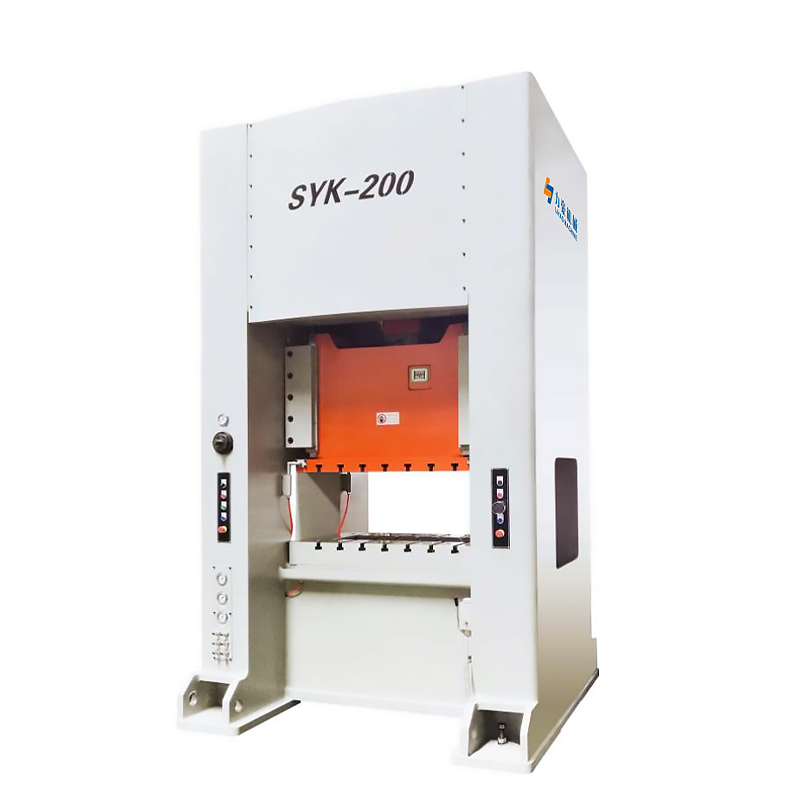
The best press manufacturers for automotive stamping are suppliers that match press type, tonnage, bed size, automation, material capability, quality systems, and lifecycle support to a specific vehicle component. I compare manufacturers by mechanical, hydraulic, and servo technology, automotive applications, engineering scope, service coverage, certification evidence, and total ownership cost.
-
How Precision Coil Slitting Reduces Material Waste
Oct. 01, 2026
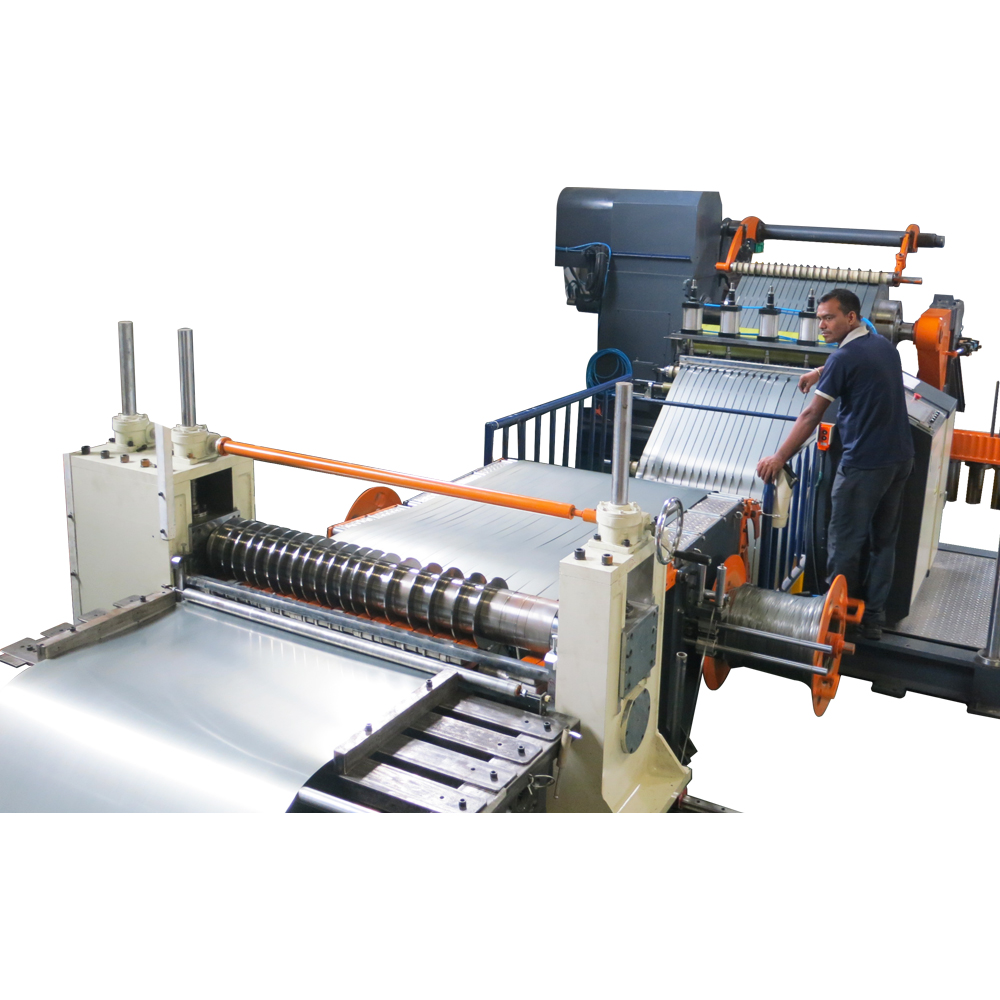
Precision coil slitting reduces material waste by matching strip widths to production requirements, optimizing the slit pattern, minimizing trim and setup scrap, and preventing downstream defects caused by inconsistent dimensions or edge quality. I evaluate the process through material yield, tolerances, tooling control, changeover losses, and the financial value of recovered coil material.
-
Thick Plate Feeding: What Buyers Need to Confirm
Sep. 07, 2026
Thick plate feeding requires buyers to confirm four areas before purchasing equipment: material specifications, feeding and forming performance, workshop constraints, and acceptance documentation. I recommend checking plate grade, thickness, dimensions, weight, surface condition, positioning accuracy, cycle time, machine interfaces, guarding, testing procedures, maintenance scope, and supplier
-
What is a cut to length line used for in metal coil processing?
Sep. 04, 2026
A cut to length line converts metal coil into flat sheets or blanks with specified lengths. The line normally performs five connected operations: uncoiling, leveling or straightening, servo feeding, shearing, and stacking. I use this equipment when a steel, stainless steel, aluminum, or other strip coil must become accurately sized sheet for stamping, fabrication, forming, laser cutting, or
-
Slitting Line Maintenance Tips for Better Cut Quality
Sep. 03, 2026
I maintain a coil slitting machine by controlling the cutting tools, knife clearance, alignment, tension, lubrication, cleanliness, and safety systems before defects appear. These Slitting Line Maintenance Tips for Better Cut Quality help reduce burrs, edge tearing, dimensional variation, scrap, winding defects, and unplanned downtime when operators record measurable conditions instead of relying
-
When to use pneumatic feeder instead of servo feeder
Sep. 02, 2026
When to use a pneumatic feeder instead of a servo feeder depends on six operating factors: required accuracy, press speed, feed length, production volume, job-change frequency, and total budget. I generally recommend a pneumatic feeder for fixed-length stamping jobs with moderate press speeds, simple dies, thin or surface-sensitive strip, and tolerances that do not require closed-loop
-
How can elevator and appliance factories automate metal sheet stamping?
Sep. 01, 2026
Elevator and appliance factories can automate metal sheet stamping by connecting coil handling, a sheet metal straightener, servo feeding, robotic press tending, die protection, inspection, sorting, and finished-part stacking into one controlled workflow. I recommend selecting the system according to material format, sheet thickness, part size, production volume, changeover frequency,