In modern manufacturing, efficiency and precision are critical. One machine component that plays a vital role in achieving both is the roll feeder. Many industrial production lines rely on roll feeders to streamline material handling, reduce waste, and ensure consistent output. In this article, we will explore the function of roll feeders, their applications, benefits, and why they are indispensable in industries like automotive, electronics, and metalworking.
What is a Roll Feeder?
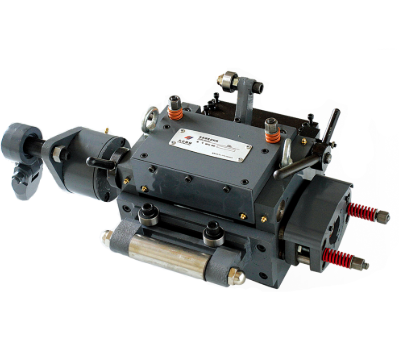
A roll feeder is a mechanical device designed to feed sheet metal or other materials into stamping machines, presses, or cutting machines at a consistent and controlled rate. Unlike manual feeding, roll feeders ensure smooth, automated, and precise delivery, which reduces errors and increases production speed.
Key components of a roll feeder typically include:
Feed Rolls: These guide the material and control the feeding speed.
Drive System: Powers the roll movement and synchronizes with the press.
Adjustable Guides: Allow for precise alignment and minimal material waste.
Main Functions of Roll Feeders
1. Automated Material Feeding
The primary function of a roll feeder is to automatically supply sheet metal or other materials to a press or cutting machine. This automation reduces manual labor and allows operators to focus on other production tasks.
2. Improved Accuracy and Consistency
Roll feeders ensure that each piece of material is fed at the exact length required. This precision is especially important in high-volume stamping or cutting processes where consistency directly affects product quality.
3. Enhanced Production Efficiency
By continuously feeding materials without interruption, roll feeders increase the output of stamping machines. Factories using roll feeders can produce more parts per hour compared to manual feeding.
4. Material Protection and Reduced Waste
Proper feeding prevents material scratches, bends, or misalignment. This minimizes waste and reduces costs, making roll feeders an environmentally and economically smart choice.
Applications of Roll Feeders
Roll feeders are versatile and widely used across industries:
Automotive Industry: Feeding steel sheets for car body panels.
Electronics Manufacturing: Precision feeding of metal for enclosures and components.
Metalworking: Feeding aluminum or copper sheets for stamping or punching.
Packaging Industry: Guiding thin metal foils for packaging machines.
LIHAO Machine, a leading manufacturer in this field, provides advanced roll feeders that are compatible with various industrial presses, ensuring smooth integration and reliable performance.
Benefits of Using Roll Feeders
Increased Production Speed – Automated feeding significantly reduces cycle time.
Higher Accuracy – Consistent feeding ensures uniform product size.
Labor Savings – Less manual handling is needed, reducing workforce strain.
Material Savings – Minimizes errors, scrap, and material waste.
Safety Improvement – Reduces operator exposure to moving machinery.
FAQs About Roll Feeders
Q1: Can roll feeders handle different material thicknesses?
Yes, modern roll feeders are adjustable and can handle a wide range of material thicknesses, from thin foils to thick metal sheets.
Q2: Are roll feeders compatible with all types of presses?
Most roll feeders are designed to integrate with various mechanical and hydraulic presses, but specifications should be checked to ensure compatibility.
Q3: How does a roll feeder improve production efficiency?
By providing continuous, precise, and automated material feeding, roll feeders minimize downtime, reduce errors, and allow machines to operate at full capacity.
Q4: What industries benefit the most from roll feeders?
Industries such as automotive, electronics, metal stamping, and packaging benefit significantly due to high-volume and precision requirements.
Conclusion
Roll feeders are essential tools in modern manufacturing, providing automated, precise, and efficient material feeding. They help industries save time, reduce waste, and maintain consistent product quality. Companies like LIHAO Machine have developed high-performance roll feeders that meet diverse production needs, ensuring factories operate smoothly and effectively. For manufacturers looking to optimize their stamping, punching, or cutting processes, investing in a reliable roll feeder is a strategic decision that delivers long-term benefits.