In modern metal stamping production, efficiency, accuracy, and space optimization are essential. One of the most important machines that supports these goals is the 3 in 1 straightener feeder. This integrated system combines a decoiler, straightener, and feeder into a single unit, making it a critical part of any automated press line.
Compared with traditional separate machines, a 3 in 1 straightener feeder reduces material handling time, improves feeding accuracy, and saves valuable factory space. It is widely used in automotive parts manufacturing, home appliance production, and metal fabrication industries.
Manufacturers such as LIHAO Machine have developed advanced straightener feeder systems designed to improve production stability and reduce labor costs. However, choosing the right model requires careful evaluation of multiple factors, including material type, coil width, thickness range, and automation requirements.
This guide will help you understand what a 3 in 1 straightener feeder is, how it works, and how to choose the right machine for your production needs.
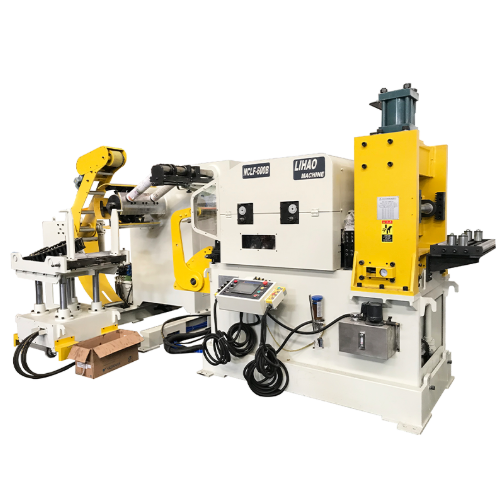
What is a 3 in 1 Straightener Feeder?
A 3 in 1 straightener feeder is a compact coil processing machine that integrates three functions:
Decoiling (uncoiling the metal strip)
Straightening (removing coil stress and curvature)
Feeding (accurately delivering material into the press machine)
Instead of using three separate machines, the system combines them into one synchronized unit. This improves production flow and reduces setup time.
The machine typically includes:
Hydraulic or motorized decoiler
Pinch rollers for feeding control
Multi-roller straightening system
Servo feeding system for precision control
PLC control system for automation
This integrated design is especially suitable for high-speed stamping lines and continuous production environments.
Why a 3 in 1 Straightener Feeder is Important in Modern Manufacturing
The demand for high-efficiency production systems is increasing across industries. A 3 in 1 straightener feeder plays a key role in meeting this demand.
1. Space Saving Design
Traditional coil lines require separate decoiler, straightener, and feeder machines. This takes up significant floor space. A 3 in 1 system combines all functions into one compact structure, making it ideal for factories with limited space.
2. Higher Feeding Accuracy
Precision is critical in stamping production. A high-quality straightener feeder ensures stable material feeding, reducing scrap rates and improving product consistency.
3. Reduced Labor Cost
Automation reduces the need for manual coil handling and alignment. Operators can control the entire system through a central control panel.
4. Improved Production Speed
By synchronizing all processes, the machine ensures continuous feeding without interruption, which increases overall productivity.
5. Enhanced Safety
Since coils are handled within a closed system, operator exposure to heavy materials is minimized, improving workplace safety.
Key Features to Consider When Choosing a 3 in 1 Straightener Feeder
When selecting the right machine, several technical and operational factors should be considered.
1. Material Specifications
Different production lines handle different materials such as:
Cold rolled steel
Stainless steel
Aluminum
Copper
You must check:
A mismatch can lead to poor straightening performance or machine wear.
2. Coil Weight Capacity
Coil weight can range from a few hundred kilograms to several tons. Choose a model that supports your maximum coil weight with a safety margin.
3. Straightening Roller Configuration
The number of straightening rollers affects material leveling quality. More rollers generally provide better straightening for thicker or high-strength materials.
4. Feeding Precision
Servo-driven feeding systems offer high precision and repeatability. This is essential for industries requiring tight tolerances, such as automotive stamping.
5. Control System
Modern machines use PLC and touchscreen interfaces. Look for features such as:
6. Automation Level
Some systems support full automation integration with press machines, robotic arms, and coil cars. Higher automation reduces manual intervention and improves efficiency.
7. Machine Durability
Frame structure, roller material, and gearbox quality determine long-term stability. Heavy-duty construction is recommended for continuous production environments.
How to Choose the Right 3 in 1 Straightener Feeder for Your Factory
Choosing the right machine requires a systematic approach.
Step 1: Analyze Your Production Requirements
Start by identifying:
Material type
Production volume
Press speed
Product complexity
This helps define the required machine capacity.
Step 2: Determine Coil Specifications
Check:
Maximum coil width
Coil outer diameter
Coil inner diameter
Maximum weight
These values ensure compatibility with the feeder system.
Step 3: Evaluate Precision Requirements
If your products require high precision stamping, choose a servo-controlled feeder with advanced feedback systems.
Step 4: Consider Factory Layout
Space constraints and production line layout influence machine size and configuration.
Step 5: Compare Manufacturers
Different suppliers offer different technologies and service levels. Companies like LIHAO Machine provide customized solutions based on specific production needs, which can be beneficial for specialized industries.
Applications of 3 in 1 Straightener Feeder
The 3 in 1 straightener feeder is widely used across multiple industries:
Automotive Industry
Used for stamping body panels, brackets, and structural parts.
Home Appliances
Suitable for manufacturing refrigerator panels, washing machine parts, and air conditioner components.
Electronics Industry
Used for precision metal stamping in connectors and housings.
Hardware Manufacturing
Ideal for producing metal brackets, hinges, and small structural components.
Construction Materials
Used in producing metal roofing components and framing systems.
Maintenance Tips for Long-Term Performance
Proper maintenance ensures stable performance and extends machine lifespan.
1. Regular Roller Cleaning
Dust and metal debris can affect straightening quality.
2. Lubrication of Moving Parts
Ensure all mechanical components are properly lubricated.
3. Electrical System Checks
Inspect wiring and control systems regularly to avoid unexpected downtime.
4. Calibration of Feeding System
Maintain feeding accuracy by periodic calibration of servo systems.
5. Preventive Maintenance Schedule
Follow manufacturer guidelines for routine inspections.
Common Mistakes to Avoid When Selecting a Machine
1. Ignoring Material Compatibility
Choosing a machine without considering material hardness and thickness can lead to performance issues.
2. Overlooking Automation Needs
Some buyers select manual or semi-automatic systems when full automation is required.
3. Focusing Only on Price
Low-cost machines may result in higher maintenance and downtime costs in the long run.
4. Incorrect Capacity Estimation
Underestimating production demand can lead to frequent upgrades or bottlenecks.
Future Trends in Straightener Feeder Technology
The 3 in 1 straightener feeder is evolving with new technologies:
AI-based production monitoring
Smart predictive maintenance
Fully automated coil handling systems
Energy-efficient servo motors
IoT integration for remote control
These advancements will make coil feeding systems even more efficient and intelligent in the future.
Conclusion
Choosing the right 3 in 1 straightener feeder is a crucial decision for any metal stamping production line. It directly impacts efficiency, product quality, and operational cost.
By carefully evaluating material requirements, coil specifications, automation level, and machine durability, you can select a system that meets both current and future production needs.
Manufacturers like LIHAO Machine continue to develop advanced solutions that help factories achieve higher productivity and stability in automated stamping processes.
A well-chosen straightener feeder is not just a machine investment—it is a long-term upgrade to your entire production system.