Choosing the right cut to length machine is an important decision for manufacturers involved in sheet metal processing, coil handling, and steel fabrication. A suitable machine can improve production efficiency, increase cutting accuracy, reduce material waste, and lower long-term operating costs. On the other hand, selecting the wrong equipment may lead to poor productivity, unstable performance, and unnecessary maintenance expenses.
Today, industries such as automotive, appliance manufacturing, construction, aerospace, and metal service centers rely heavily on advanced cut to length line systems for precise sheet processing. Since different factories have different production requirements, there is no single machine that fits every application. Factors such as coil material, sheet thickness, cutting speed, automation level, and production volume all play a critical role when selecting a cut to length machine.
This guide explains the most important aspects to consider before purchasing a cut to length line. Whether you are processing stainless steel, aluminum, copper, or carbon steel coils, understanding these points will help you make a better investment decision.
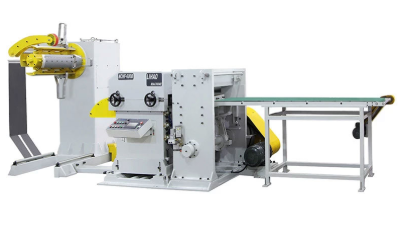
What Is a Cut to Length Machine?
A cut to length machine is industrial equipment designed to uncoil metal coils, level the material, and cut it into flat sheets of specific lengths. A complete cut to length line usually includes several components:
Decoiler
Straightener or leveler
Feeding system
Servo control system
Shearing unit
Stacker
The main purpose of a cut to length line is to convert metal coils into accurately cut sheets with smooth surfaces and consistent dimensions.
These machines are widely used in industries that require high-precision sheet metal production. Modern cut to length equipment often includes automatic control systems, touchscreen interfaces, and high-speed servo feeding technology for better productivity.
Why Choosing the Right Cut to Length Machine Matters
Selecting the proper cut to length machine directly affects production quality and operational efficiency. A well-matched machine offers several advantages:
A reliable cut to length line can also support future production expansion and help companies remain competitive in the global metal processing market.
Understand Your Material Type
Different Materials Require Different Machine Configurations
The first step in choosing a cut to length machine is understanding the type of material you will process. Different metals have different hardness, elasticity, and surface requirements.
Common materials include:
Stainless steel
Carbon steel
Galvanized steel
Aluminum
Copper
Silicon steel
For example, stainless steel generally requires stronger leveling rollers and higher machine rigidity because of its hardness. Aluminum, on the other hand, is softer and requires careful handling to avoid surface scratches.
When selecting a cut to length line, always confirm that the machine supports your material specifications.
Consider Coil Thickness and Width
Thickness Range Is Critical
One of the most important technical parameters is the coil thickness range. Machines designed for thin sheet processing are different from heavy-duty cut to length lines used for thick plates.
Typical thickness categories include:
Thin Sheet Cut to Length Machine
0.2 mm to 3 mm
Medium Thickness Cut to Length Line
3 mm to 8 mm
Heavy Gauge Cut to Length Equipment
8 mm to 20 mm or more
You should also consider the maximum coil width and coil weight. Choosing a machine with insufficient capacity can reduce efficiency and increase mechanical wear.
Evaluate Production Speed
Faster Is Not Always Better
Production speed is another key factor when choosing a cut to length machine. High-speed lines are suitable for large-scale manufacturing, but extremely high speeds may not be necessary for smaller factories.
Important questions to ask include:
How many sheets are produced daily?
What is the required cutting accuracy at high speed?
Does the line maintain sheet flatness during fast operation?
A balanced combination of speed and precision is more valuable than speed alone.
Modern servo-driven cut to length lines can significantly improve feeding accuracy and operational stability.
Pay Attention to Leveling Performance
Flatness Determines Final Product Quality
The leveling system is one of the most important components of a cut to length machine. Poor leveling performance may cause wave edges, coil set issues, or uneven sheets.
A high-quality leveler should provide:
For high-strength steel or thick materials, advanced precision leveling systems are highly recommended.
Many manufacturers choose professional suppliers like LIHAO Machine because stable leveling technology helps improve finished sheet quality and reduce production defects.
Choose the Right Cutting Method
Mechanical Shear vs Hydraulic Shear
Different cut to length machines use different cutting systems.
Mechanical Shearing
Hydraulic Shearing
The best choice depends on your production requirements and material thickness.
Automation Level Matters
Manual, Semi-Automatic, or Fully Automatic
Automation has become increasingly important in modern manufacturing. A fully automatic cut to length line can reduce labor requirements and improve consistency.
Advanced automation features may include:
PLC control systems
Touchscreen operation
Automatic length setting
Servo feeding systems
Automatic stacking
Remote diagnostics
Although automated systems require a higher initial investment, they usually provide better long-term productivity and lower operating costs.
Focus on Cutting Accuracy
Precision Improves Material Utilization
Cutting precision is extremely important in industries such as automotive manufacturing and appliance production.
Key accuracy indicators include:
Length tolerance
Diagonal accuracy
Edge quality
Surface protection
Servo-controlled feeding systems generally provide higher precision than traditional mechanical feeding methods.
When comparing cut to length machine suppliers, ask for actual tolerance data and sample testing results.
Check Machine Durability and Build Quality
Strong Construction Improves Service Life
A cut to length line operates under continuous heavy loads, so machine durability is very important.
Pay attention to:
Machine frame structure
Roller material
Bearing quality
Motor brand
Electrical components
High-quality components reduce downtime and maintenance frequency.
A durable machine may cost more initially, but it often delivers better long-term value.
Maintenance and Technical Support
Reliable Service Is Essential
Even the best cut to length machine requires regular maintenance. Before purchasing equipment, evaluate the supplier’s after-sales service capabilities.
Important considerations include:
Choosing an experienced manufacturer can reduce future operational risks.
Many customers prefer working with established suppliers such as LIHAO Machine because professional technical support helps maintain long-term production stability.
Energy Efficiency and Operating Costs
Lower Energy Consumption Reduces Expenses
Modern factories are paying more attention to energy-saving production equipment. An energy-efficient cut to length line can lower electricity consumption and operating costs.
Features that improve efficiency include:
Servo motors
Variable frequency drives
Intelligent control systems
Optimized hydraulic systems
Reducing operational costs can significantly improve overall profitability over time.
Consider Future Production Expansion
Choose a Machine That Supports Growth
Some companies purchase equipment only for current production needs without considering future expansion. This can lead to expensive upgrades later.
It is often better to choose a cut to length machine with moderate scalability, such as:
Higher speed capacity
Wider material compatibility
Upgradeable automation systems
Additional stacking options
A flexible production line can adapt more easily to changing market demands.
Compare Different Cut to Length Machine Suppliers
Reputation and Experience Matter
Not all equipment manufacturers offer the same quality standards. Before making a final decision, compare several suppliers carefully.
Key evaluation points include:
An experienced supplier usually understands industry challenges better and can recommend more suitable solutions.
Common Mistakes When Choosing a Cut to Length Machine
Many buyers make avoidable mistakes during equipment selection. Common problems include:
Choosing Only Based on Price
Low-cost machines may have lower build quality and shorter service life.
Ignoring Material Specifications
Incorrect machine configuration can reduce product quality.
Underestimating Automation Needs
Manual operation may increase labor costs over time.
Overlooking After-Sales Service
Lack of technical support can cause long production downtime.
Avoiding these mistakes can help improve return on investment.
Conclusion
Choosing the right cut to length machine requires careful evaluation of production requirements, material specifications, automation level, precision standards, and long-term operational goals. A properly selected cut to length line can improve efficiency, enhance product quality, reduce waste, and support business growth.
Before making a purchase decision, manufacturers should compare machine configurations, supplier experience, technical support, and equipment durability. Investing in a reliable and efficient cut to length machine is not only about improving current production but also about preparing for future market demands.
With continuous advancements in automation and precision control technology, modern cut to length equipment is becoming smarter, faster, and more energy-efficient, helping manufacturers achieve higher productivity and better competitiveness.

FAQs
1. What industries use cut to length machines?
Cut to length machines are widely used in industries such as automotive manufacturing, construction, appliance production, aerospace, metal service centers, and industrial equipment manufacturing. These industries require precise sheet metal cutting and flatness control for high-quality production. Different applications may require different machine configurations depending on material type and thickness.
2. How do I choose the correct cut to length machine thickness range?
You should first determine the minimum and maximum thickness of the materials you process. Thin sheet applications usually require high-speed precision leveling systems, while thick plate processing requires stronger machine structures and hydraulic shearing systems. Choosing equipment with suitable thickness capacity ensures stable performance and longer machine life.
3. What is the advantage of a servo cut to length line?
Servo-driven cut to length machines offer higher feeding accuracy, better speed control, and improved production consistency. Compared with traditional mechanical systems, servo technology can reduce positioning errors and improve cutting precision. This is especially important for industries requiring strict dimensional tolerances.
4. Why is leveling performance important in a cut to length line?
Leveling performance directly affects the flatness and surface quality of finished sheets. Poor leveling may cause wave edges, residual stress, or uneven surfaces. A high-quality leveling system can eliminate coil memory and improve the appearance and usability of the final product. Proper leveling also helps improve downstream processing efficiency.
5. How can I reduce maintenance costs for a cut to length machine?
Regular preventive maintenance is the best way to reduce repair costs and extend equipment lifespan. Operators should inspect rollers, lubrication systems, hydraulic components, and electrical systems regularly. Choosing high-quality equipment from reliable manufacturers also helps reduce long-term maintenance requirements and unexpected downtime.